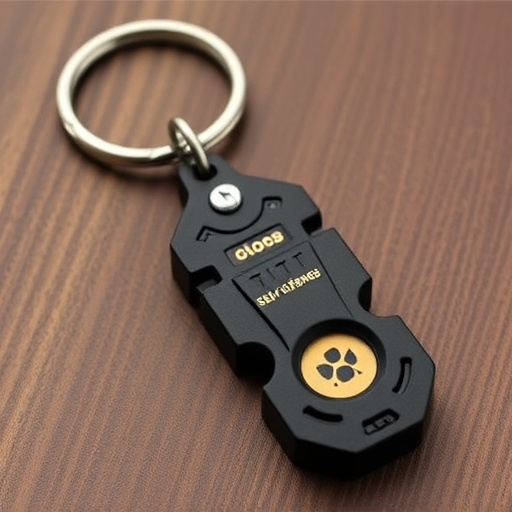
Keychain pressure point defense moves target vulnerable body areas like throat, eyes, and groin to incapacitate attackers swiftly and safely. Regular training enhances confidence in close-quarters self-defense, mastering techniques for various grip sizes and attacker postures. Hands-on practice with a partner refines timing and ensures instinctive reactions during real-world scenarios.
In today’s world, personal safety is paramount. Introducing the protection keychain—a compact, powerful tool designed for self-defense against blunt force attacks. This article explores the art of keychain pressure point defense moves, guiding you through essential techniques to enhance your safety. Learn how to choose the right moves, master training methods, and practice key skills. Equip yourself with knowledge and a reliable device, ensuring peace of mind wherever you go. Discover the potential of keychain pressure points for effective self-defense.
- Understanding Blunt Force Keychain Defense
- Choosing the Right Pressure Point Moves
- Training and Practicing Keychain Self-Defense
Understanding Blunt Force Keychain Defense
Blunt force keychain defense, also known as pressure point techniques, is a crucial aspect of self-protection. These moves leverage specific areas on the body that, when targeted, can neutralize an attacker quickly and effectively. Understanding these key points is essential for anyone looking to enhance their personal safety, especially in close-quarters situations.
Keychain defense strategies focus on vulnerable regions like the throat, groin, eyes, and nose. By applying pressure or making rapid strikes to these areas, individuals can disable an opponent without causing permanent harm. For instance, a well-placed thumb press on the throat can disrupt breathing, while a swift kick to the groin can immobilize an assailant momentarily, offering a chance to escape. Regular training in these keychain pressure point defense moves ensures that individuals are prepared and confident when facing potentially dangerous situations.
Choosing the Right Pressure Point Moves
When learning keychain pressure point defense moves, understanding which points to target is key. The most effective keychain defenses often focus on vulnerable areas like the throat, solar plexus, or eyes. These locations can incapacitate an assailant with minimal force, making them ideal for self-defense in close quarters.
Choosing the right move depends on various factors such as your grip size, the attacker’s posture, and your distance. For instance, a thumb lock can be powerful for gripping the throat, while finger pressure points on the solar plexus can quickly disable an opponent. Practicing different techniques allows you to react instinctively in stressful situations, increasing your chances of escaping safely.
Training and Practicing Keychain Self-Defense
Training and practicing keychain pressure point defense moves is crucial for anyone looking to turn their everyday carry item into a self-defense tool. Start by familiarizing yourself with various keychain self-defense techniques, focusing on those that utilize blunt force. These movements should be executed swiftly and precisely, targeting vulnerable areas like the eyes, nose, throat, or groin. Regular practice will ensure these moves become second nature, increasing your confidence and effectiveness in real-world situations.
Engage in mock combat scenarios with a trusted partner to refine your timing and technique. This hands-on experience is invaluable as it allows you to test your skills under pressure. Remember, the key to successful keychain self-defense is not just knowing the moves but being able to execute them quickly and efficiently when needed.
Protecting yourself with a keychain pressure point defense can be an effective tool for personal safety. By understanding the principles of blunt force and choosing the right moves, you can gain valuable self-defense skills. Regular training and practice will ensure your confidence and proficiency, empowering you to navigate potentially dangerous situations with newfound clarity and control. Incorporate these keychain pressure point techniques into your personal defense repertoire and stay prepared for any outcome.